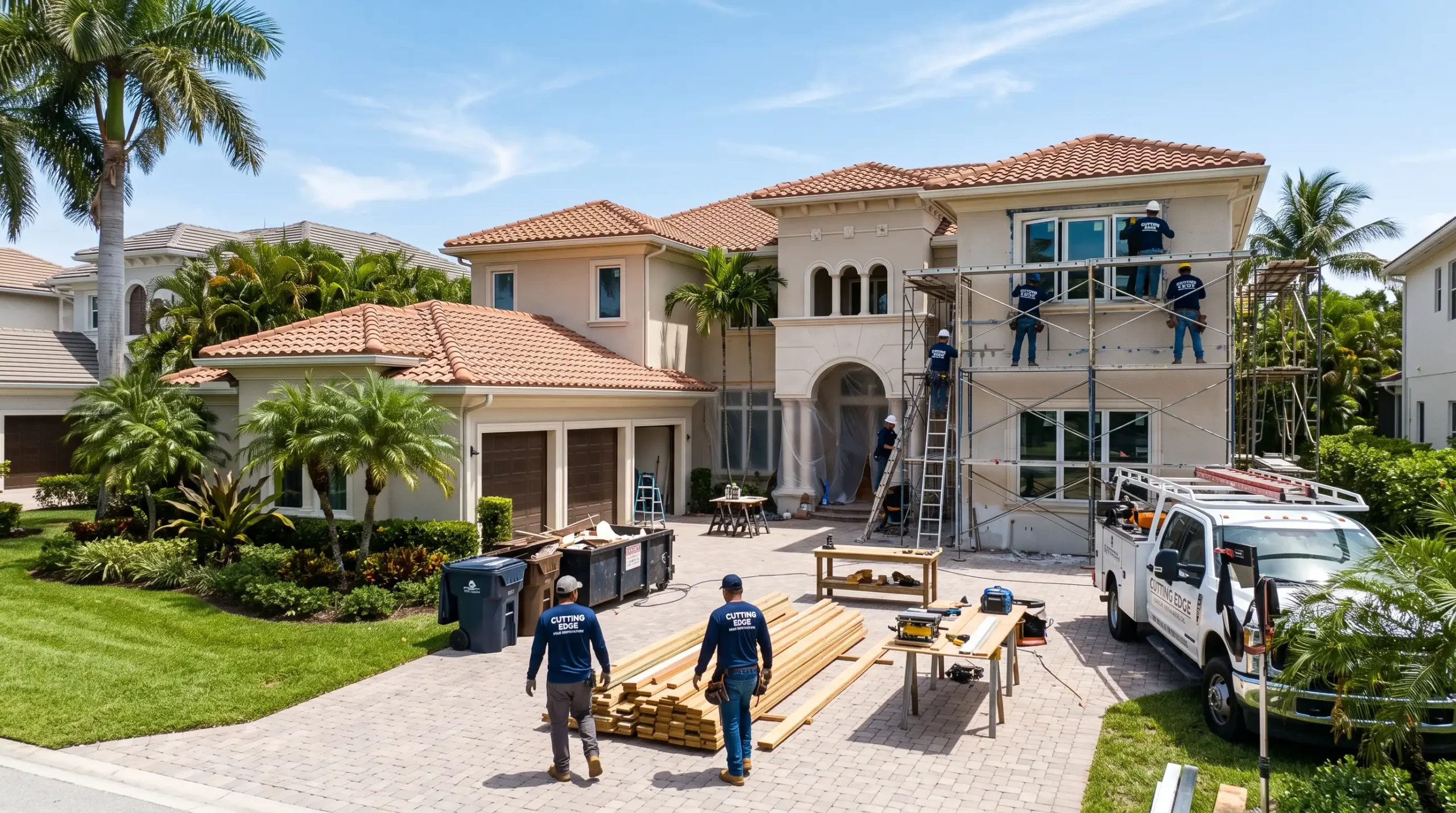
Home Renovation Cost
What Sets the Budget
Whole-home renovation cost depends on scope more than square footage. A cosmetic update of floors, paint, lighting and fixtures costs a fraction of a renovation that moves walls, relocates the kitchen, replaces plumbing and electrical, and adds impact windows. In Lee and Collier counties the home's build era, flood zone, community rules and the condition of hidden systems also move the number. The reliable way to price a full renovation is a measured scan, a defined scope and one fixed-price contract.
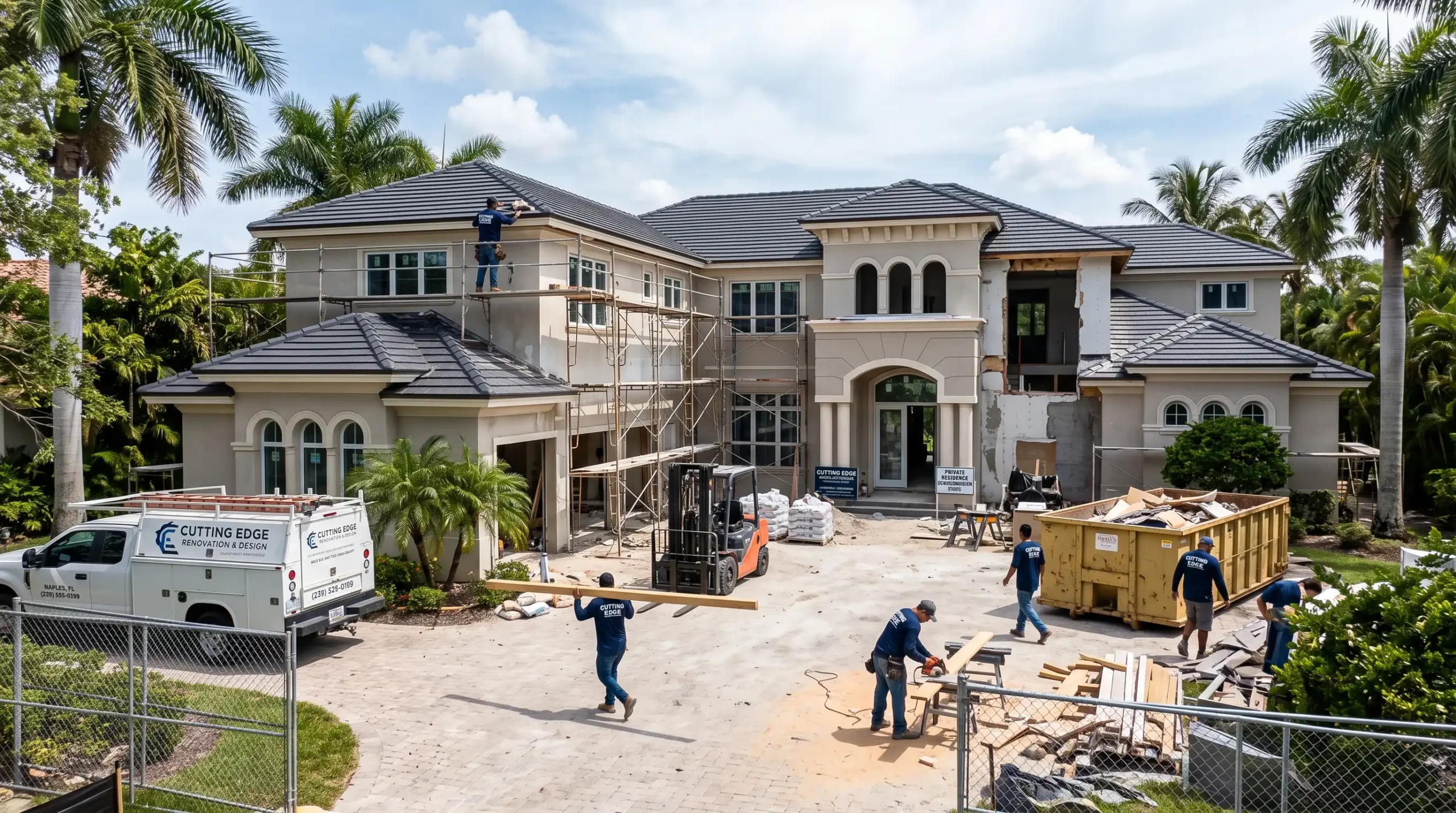
What Drives the Cost of a Whole-Home Renovation?
Scope tiers explain most of the range. A cosmetic renovation keeps the floor plan and replaces surfaces. A mid-level renovation adds a new kitchen and baths, new flooring throughout, doors, trim and lighting. A structural renovation opens load-bearing walls with engineered beams, relocates rooms, and usually replaces plumbing, electrical and HVAC because the walls are already open. Each step adds engineering, permits, inspections and trades, which is why square-foot pricing found online rarely fits a real house.
Finish level is the second lever. Cabinetry, countertops, tile, flooring, windows and appliances can vary several times over in price for the same room. The third lever is what the house hides. Older homes may have galvanized or polybutylene supply lines, cast-iron drains under the slab, undersized electrical panels or past water damage. A careful pre-construction inspection reduces surprises, and a fixed-price contract puts the risk of the estimate on the contractor instead of the homeowner. Phasing can spread cost, but doing everything at once usually costs less overall because demolition, permits and trades are mobilized only once.
| Renovation level | Typical scope | What adds cost |
|---|---|---|
| Cosmetic | Paint, flooring, lighting, fixtures, hardware | Finish selections, square footage |
| Mid-level | New kitchen and baths, flooring, doors and trim | Cabinetry, tile, appliances |
| Structural | Walls moved, rooms relocated, new systems | Engineering, beams, plumbing reroutes |
| Systems | Plumbing, electrical panel, HVAC, insulation | Age and condition of existing systems |
| Envelope | Impact windows and doors, roof | Opening sizes, wind code, product rating |
| Site and rules | Permits, HOA, flood-zone review | Substantial-improvement rules, approvals |
See how we run full home renovations, from opening walls to new kitchens, baths and systems.
How Do Lee and Collier Homes Change the Number?
Build era matters. Many homes in Bonita Springs, Estero and Naples were built in the 1970s through the 1990s, and that period can bring older piping, aging electrical panels, low ceilings and closed floor plans. Newer homes often need finish upgrades more than systems work. All of them sit on slabs, so moving a kitchen or bathroom means trenching the slab for drains, a real line item that buyers from wood-floored homes do not expect.
Flood zones can reshape the whole budget. In a FEMA special flood hazard area, when improvement costs reach 50 percent of the structure's market value, the home generally must meet current flood requirements, which can mean elevating it. Local building departments in Lee County, the City of Bonita Springs, Collier County and the City of Naples track this. Gated communities add architectural review, contractor insurance requirements and work-hour rules, and condos add association approval for almost everything. Seasonal owners often plan a renovation around the summer months, so material lead times and permit timing need to be set before they head north.
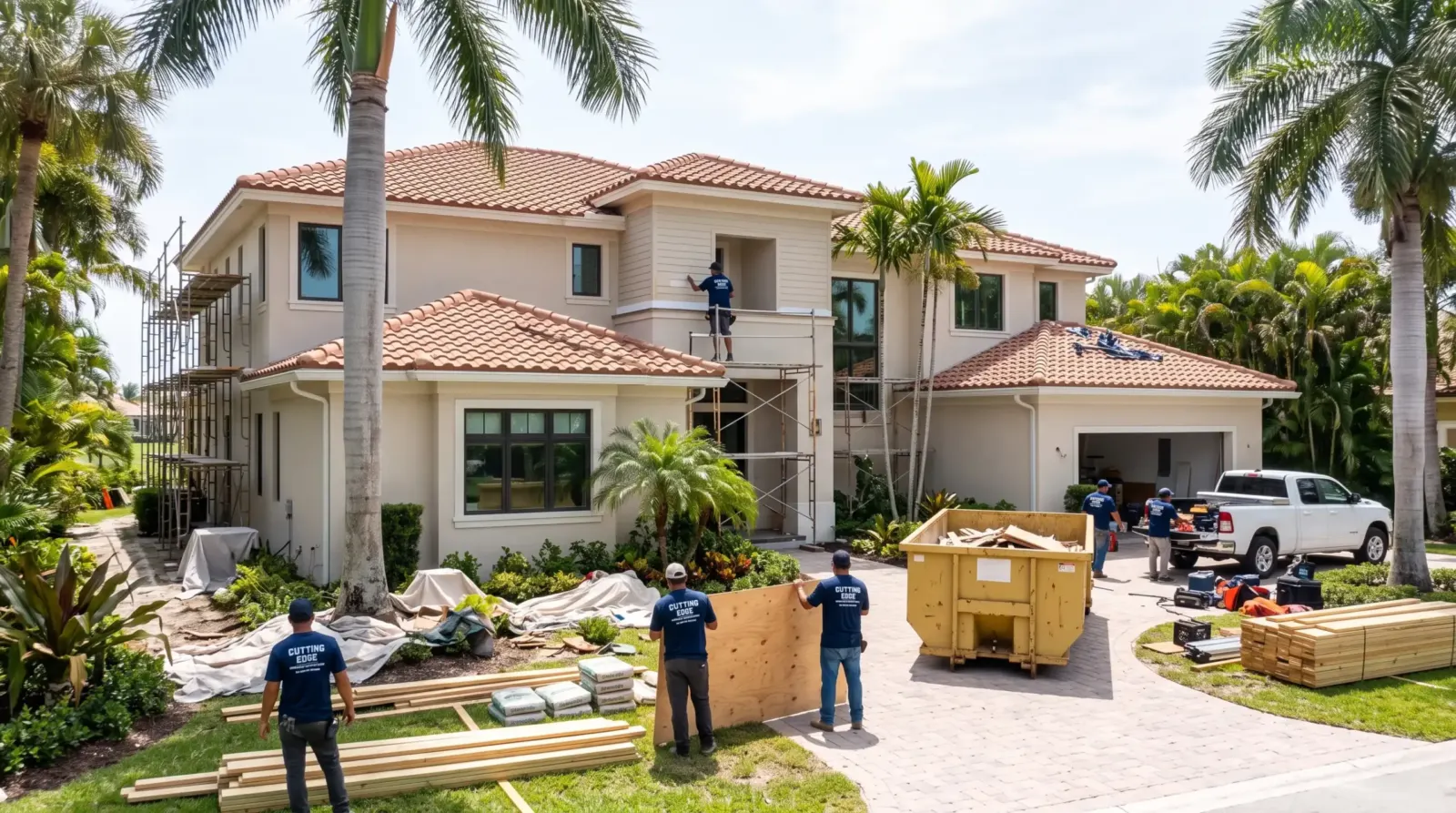
Decide the Scope Before You Ask for Numbers
“Home renovation” covers everything from repainting to gutting a house to the block, so a number means nothing until the scope is written down. The practical way to start is room by room. For each room, decide whether you are refreshing surfaces, replacing the fixtures and cabinetry, or changing the layout. Then decide which systems you will touch: plumbing, electrical panel and wiring, air conditioning, windows and doors. The answers sort your project into the cosmetic, mid-level or structural tiers described above.
Two decisions deserve early attention because they change the whole project. The first is whether the kitchen or a bathroom moves. Relocating either one in a slab-on-grade home means new drain lines under the floor, and that single choice can reshape the budget more than any finish. The second is whether you will live in the house during the work. Living through a renovation limits how much can be opened at once, and many owners in this area choose to renovate while away for the summer or to move out for the main construction phase.
Finally, decide how you want to buy the work. A design-build contractor handles design, selections, permits and construction under one agreement. Hiring a designer and a separate builder can work well but puts you in the middle when drawings and field conditions disagree. Whichever route you pick, you are buying a defined scope, so the document that describes it is the most valuable page in the contract.
What a Complete Estimate Should Contain
An estimate that can be compared with others lists each room, the work in it, and the specific products or an allowance for each selection. Cabinets, counters, tile, plumbing fixtures, lighting, flooring, doors and appliances should each be named or carry a stated allowance, because that is where unclear proposals diverge later. It should say what is excluded, such as appliances, window treatments or landscaping, and what happens if concealed conditions appear when walls are opened.
The estimate should also show who is responsible for permits, engineering, inspections, dumpsters, protection of finished areas and daily cleanup. In a house built decades ago, ask how the contractor plans to deal with the things the page above lists as hidden risks: old supply or drain lines, an undersized electrical panel and past water damage. A pre-construction inspection, followed by a fixed price, is a way to settle those questions before demolition, not after.
If one quote is far lower than the others, compare scope before price. The usual causes are lower allowances, excluded items and a plan to price surprises as change orders. A higher number with a longer scope can be the cheaper contract once the missing items are added to the lower one.
The 50 Percent Rule in Lee and Collier Counties
If your home is in a special flood hazard area, the substantial improvement rule can decide whether a renovation is allowed to proceed as planned. The Lee County floodplain page, which covers unincorporated Lee County only, describes it as applying to any reconstruction, rehabilitation, addition or other improvement whose cost equals or exceeds 50 percent of the structure’s market value. The comparison uses the structure’s value, not the land, taken from the Property Appraiser’s records, and the owner can dispute that figure with a depreciated value from a Florida-licensed appraiser. Costs counted are permanent-structure costs, and the county excludes items such as plans, surveys, permits, sidewalks, pools, screens, sheds, gazebos and fences. Collier County requires an affidavit packet and a cost estimate worksheet when a permit’s scope includes that kind of improvement.
If the rule is triggered and the home is not already compliant, the county says that in unincorporated Lee County the structure must be elevated to the freeboard level, which is base flood elevation plus one foot, and that electrical and mechanical equipment, bathrooms and laundry rooms must also sit at or above freeboard. Below that level only parking, access and limited incidental storage are allowed. Lee County also notes that when a project is close to the threshold, a contractor-signed detailed estimate with an affidavit can be submitted, and an elevation certificate can show that a home already complies.
This matters in practice because a large kitchen-and-bath renovation in an older low-lying house can approach the threshold faster than owners expect. Ask your contractor to check your flood zone, request the building department’s determination before design is final, and keep an itemized estimate. Also note that the rules are administered by each jurisdiction. Unincorporated Lee County, Bonita Springs, Estero, Naples, Fort Myers and unincorporated Collier County each run their own process, so the answer for a house on one side of a city line may be handled by a different office than the house next door.
Licensing, Deposits and Contract Protections in Florida
Verify the contractor before you sign. The Florida Department of Business and Professional Regulation tells homeowners to check a contractor’s license at MyFloridaLicense.com or through its mobile app, and to confirm that the contractor carries proper insurance and that the work will be permitted. It warns that missing permits can make a home hard to sell, that code noncompliance can weaken a house in future storms, and that missing insurance can leave the homeowner liable for injuries or poor work. Unlicensed activity can be reported to the department.
Florida’s residential contracting statute also sets expectations about money and timing. Under section 489.126, when a contractor receives an initial payment of more than 10 percent of the contract price for residential work, the contractor must apply for permits within 30 days of that payment and start work within 90 days after the permits are issued. The permit deadline does not apply when the work needs no permit, and either deadline can be extended for just cause or by the owner’s written agreement. If a deadline is missed, the owner’s remedy begins with a written demand by certified mail. The statute does not cap deposits at 10 percent, so it is a trigger for duties and not a limit on what a contract may ask. This is a summary, not legal advice, and a construction attorney can answer questions about a particular contract.
Use those facts when you read a payment schedule. A reasonable schedule ties payments to completed stages, such as permit issuance, rough-in inspections, cabinet delivery and substantial completion, instead of calendar dates. Ask what is due at signing, what the money covers, and when permit applications will be submitted.
Sequence, Timing and Condo Versus House
A whole-home renovation moves in a consistent order: measurement and design, selections, permitting, demolition, structural changes, rough plumbing, electrical and mechanical work, inspections, insulation and drywall, cabinets, tile and flooring, trim and paint, then fixtures, appliances and final inspection. Long-lead items such as windows, custom cabinets and stone should be ordered early enough that they arrive when the room is ready for them. We do not give a fixed number of weeks here, because it depends on the scope, the permit queue and material delivery, and a firm schedule should come from a written scope.
Hurricane season is a real planning factor in Southwest Florida. Seasonal owners who plan the work for the months they are away should ask how the contractor will secure the site and protect open walls if a storm approaches, and who is responsible for materials stored on site. Ask for a named project contact who can send progress photos while you are out of town.
In a single-family home, the main approvals are the building permit, any flood-zone determination and a homeowners association review if one applies. In a condominium, the association is a second layer and often controls work hours, elevator reservations, insurance certificates, noise and flooring underlayment. Our condo remodeling page covers that setting in more detail. Whichever you own, get the approvals in writing before demolition.
Home Renovation Before &
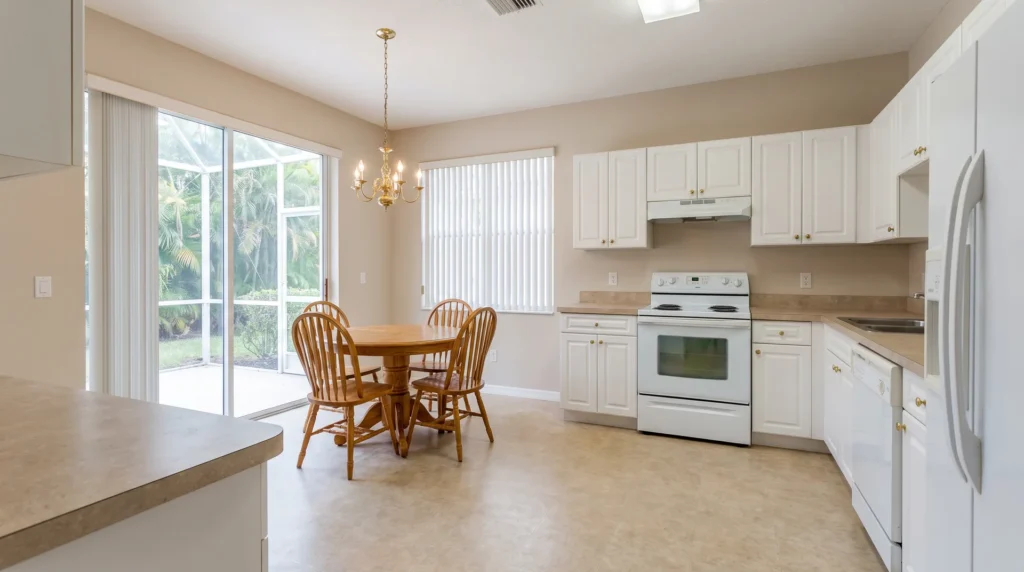
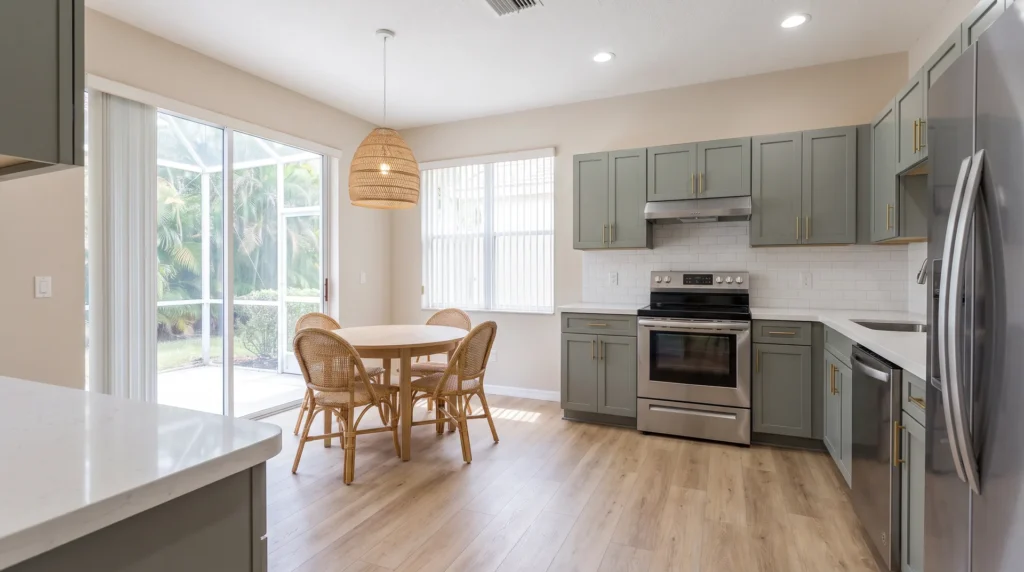
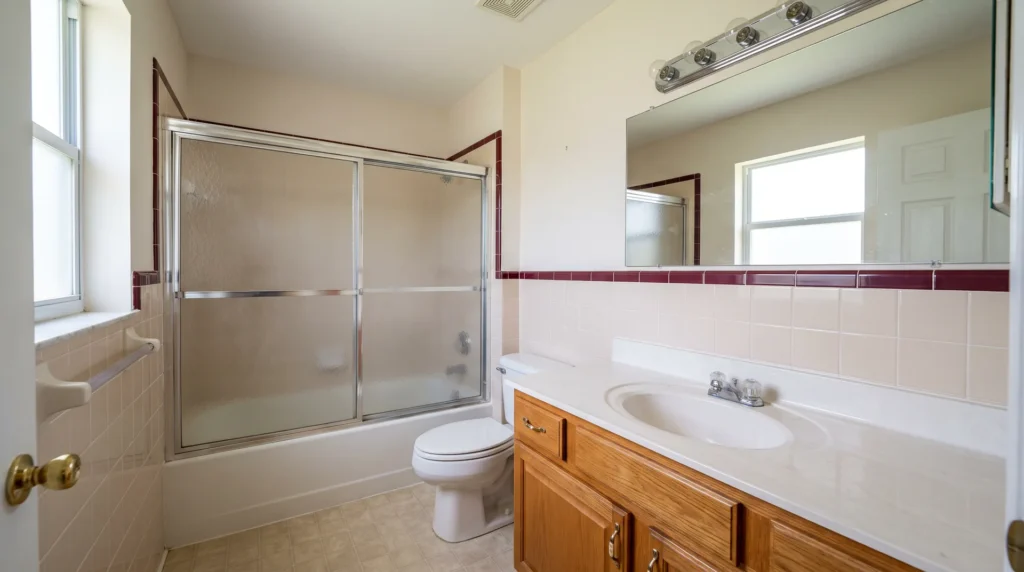
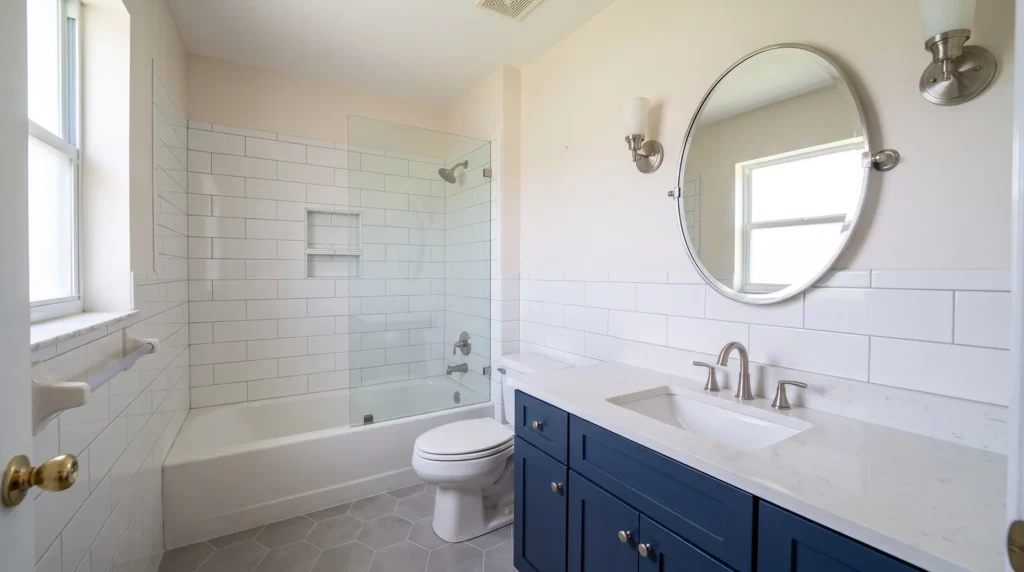
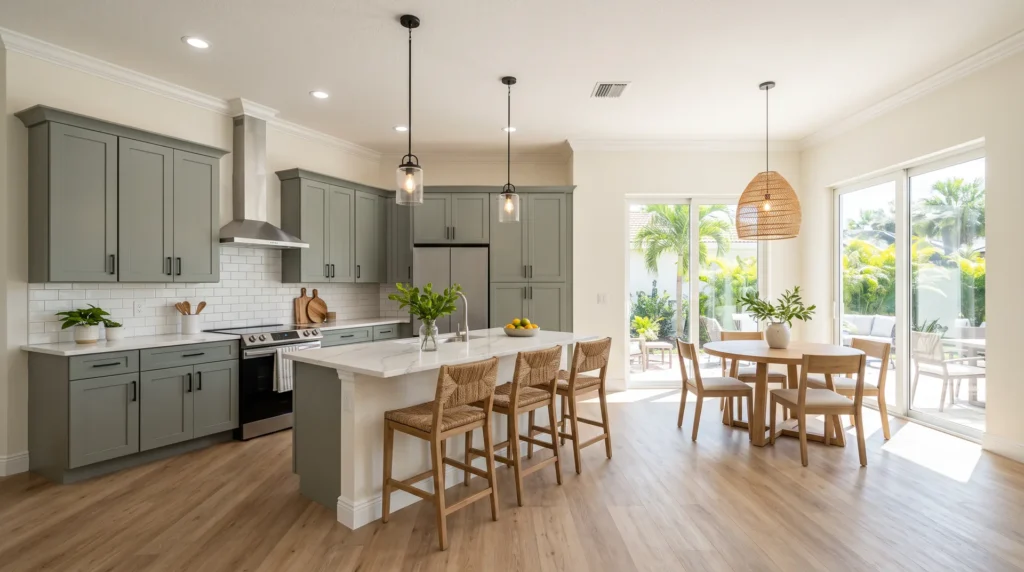
Home Renovation Cost Questions
What is the 50 percent rule for renovations in Florida flood zones?
In a special flood hazard area, an improvement whose cost equals or exceeds 50 percent of the structure’s market value, excluding land, is a substantial improvement. A non-compliant home must then be brought up to current flood requirements, which in unincorporated Lee County means elevating to base flood elevation plus one foot.
How do I check that a remodeling contractor is licensed in Florida?
Search the contractor at MyFloridaLicense.com or in the state’s mobile app, and confirm insurance and that the work will be permitted. The state also says unlicensed activity can be reported through the same site.
How is whole-house remodel cost estimated?
A real estimate starts with measurements, a defined scope and selected finish levels for each room, then adds engineering, permits and any system replacements. Online per-square-foot figures miss those details. Our free LiDAR scan and 3D render are the starting point for a fixed price.
Is it cheaper to renovate in phases?
Phasing spreads payments but usually costs more overall, because demolition, permits, dumpsters and trades are mobilized more than once and finished rooms can be disturbed by later work. If the budget allows, one well-planned project is typically the better value.
What hidden costs come up in older Florida homes?
Common surprises include old galvanized or polybutylene supply lines, deteriorated cast-iron drains under the slab, undersized electrical panels, termite or water damage and missing permits for past work. A careful inspection before pricing catches many of them early.
We will scan the whole house, define the scope room by room and give you one fixed price.
Why Whole-Home Projects Go to Cutting Edge
Renovation budgets fail when the scope is vague and the price can move. Cutting Edge Kitchen & Bath is a licensed Florida general contractor based in Bonita Springs, with more than 500 Southwest Florida remodels and nine Best of Houzz awards. We scan the house with LiDAR for free, create a photo-real 3D render of the new plan and write one fixed-price contract that our own crews build. Visit our 4,000-square-foot showroom at 28280 Old 41 Road to choose finishes before the number is set, so the budget reflects real selections.
Key Takeaways
- Structural renovations open load-bearing walls with engineered beams, relocate rooms, and usually replace plumbing, electrical and HVAC.
- Section 489.126 requires a Florida contractor who receives an initial residential payment above 10 percent of the contract price to apply for permits within 30 days.
- The Lee County substantial improvement rule applies when improvement costs equal or exceed 50 percent of the structure's market value, excluding land value.
- In unincorporated Lee County, a triggered home that is not already compliant must be elevated to base flood elevation plus one foot, called freeboard.
- Moving a kitchen or bathroom in a slab-on-grade home requires trenching the slab for new drain lines under the floor.